Textile Looms of India: Weaving Traditions and Cultural Legacy
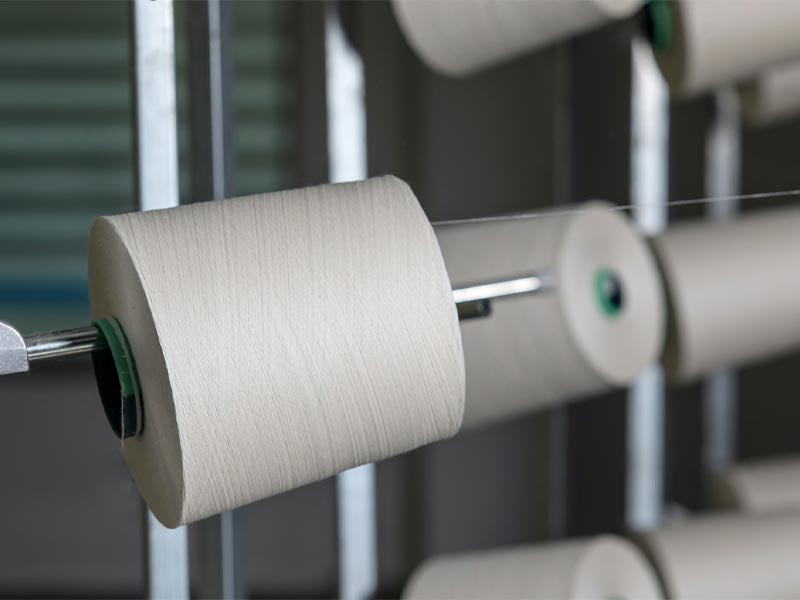
India, is the land of rich cultural heritage & has an old history in the textile weaving. The country is renowned for its intricate fabrics, vibrant colors, and exquisite craftsmanship. At the heart of its legacy are the traditional textile looms that have been used for centuries, weaving together the stories of countless communities & artisans.
Handlooms hold a prominent place in the textile industry of India. They are not just tools for weaving but symbols of creativity & cultural identity. Handloom weaving involves the skilled handling of threads creating beautiful designs & patterns. Each region of India has its unique handloom tradition, ranging from the delicate Chanderi silk of Madhya Pradesh to the vibrant Banarasi brocade of Uttar Pradesh.
The Charkha and Khaadi:-
The charkha (spinning wheel) symbolizes self-sufficiency and empowerment. The fabric produced using the technique of through spinning & weaving is called as Khaadi. Khaadi is very prominent & famous in the Indian textile industry as it holds the values of sustainability, ethical production & rural empowerment.
The Power Loom Revolution:-
Though, the handlooms are linked with the Indian Textile industry for a very long time. But, the arrival of power looms brought a drastic change in the textile industry of India. Power looms channelized the weaving process by mechanizing it, which resulted in the increased production speed & efficiency. Today, India is one of the largest producers of textiles in the world, with power looms playing an important role in meeting the demands of the global market.
Cluster and Jacquard Looms:-
India is also famous for intricate cluster and jacquard looms, which are used to create beautiful designs & patterns. Cluster looms are predominantly found in the Varanasi region of Uttar Pradesh state. It produces marvelous brocades & silk fabrics embellished with intricate motifs. On the other hand, Jacquard looms are used for weaving complex patterns by controlling individual thread. The famous Patola silk sarees of Gujarat and the richly woven Baluchari sarees of West Bengal are created using these looms.
Preserving the Heritage:-
Despite the advancements in mechanization, handlooms still continue to grow in various parts of India, keeping the age-old tradition alive. Handloom weaving is being preserved & promoted by various organisations & initiatives. The Government of India, Ministry of Textiles have implemented various policies to support handloom weavers, providing them with financial aid helping them to grow manifolds.
The textile looms of India are not just mere instruments of weaving; they are also vessels of history, culture & craftsmanship. No matter, it’s the rhythmic clacking of the handloom or the hum of the power loom, these looms continue to shape India’s textile heritage, connecting generations of weavers & sustaining the legacy of exquisite craftsmanship for the world to admire.